

01
Collaborative arms
Repeatable handling or positioning beside people.
Assess the reach, payload, tooling and safeguards needed for a defined workstation task.
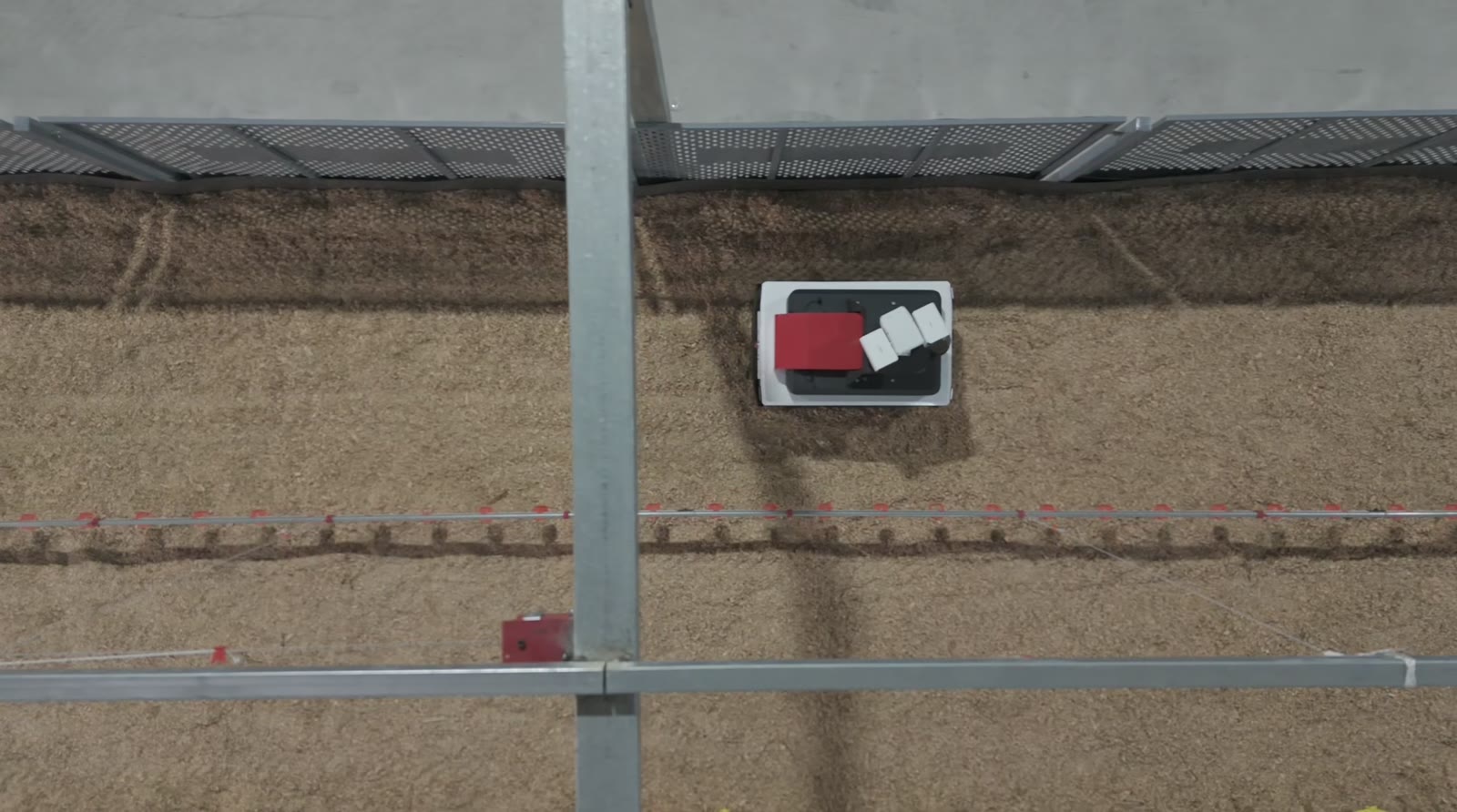
Robotics begins with the job: the movement, environment, constraints and people around it.
From cobot arms to mobile and aerial systems, the right platform depends on the task and environment.
01
Repeatable handling or positioning beside people.
Assess the reach, payload, tooling and safeguards needed for a defined workstation task.
02
Mobile systems for routes, inspection or sensor carrying.
Map terrain, navigation, weather and operating boundaries before choosing a platform.
03
Move materials between mapped points within a site.
Assess traffic, handoffs and existing systems for internal material movement.
04
Observe crops, assets or hard-to-access areas from above.
Define the data to capture and how aerial observations enter the team’s workflow.
05
Repeat routine rounds and capture consistent observations.
Use onboard cameras or sensors to surface exceptions for human review.
06
Fit grippers, cameras or attachments to the job.
Select end effectors and controls to suit products, environment and maintenance needs.
A useful robotics project begins with the work a system needs to perform. Jakrok helps primary producers assess suitable equipment and the integration needed around it. The task may involve moving along a defined route, gathering observations or repeating a handling movement. Terrain, variability, people and the existing workflow shape which options are worth investigating.
Define the movement, load, reach, route and operating conditions. For field systems, assess access, terrain, navigation, weather and where human intervention is needed.
Consider grippers, cameras, attachments, handoffs and data exchange. The robot needs a useful place in the operation, including what happens when it cannot complete a task.
Set acceptance measures and assess safeguards, operator training, servicing and maintenance responsibilities. A staged pilot can test the approach under agreed site conditions.
Illustrative workflow
01
Map a repetitive inspection or monitoring task.
02
A suitable system moves and captures observations.
03
People handle exceptions and maintenance.
Tell us the task or information gap you want to work through.